

Table of Contents
- Why Artificial Plants Can Be Expensive
- How to Tell If Faux Plants Look Real
- Cheap vs. Expensive Artificial Plants
- Best Artificial Plant Brands and Quality Standards
- How to Clean Artificial Plants and Maintain Their Appearance
- Total Cost of Ownership: Premium Plants vs. Live Plants Over Time
- Is the Investment Worth It? A Practical Decision Framework
- Frequently Asked Questions
Last Updated: October 14, 2026
Why Artificial Plants Can Be Expensive
The premium price tag on high-end artificial plants surprises many shoppers. The answer lies in what makes expensive artificial plants worth it.
Quality materials drive cost. Real silk, polyester blends, and fade-resistant compounds cost more than cheap plastics. Handcrafted ceramic vases require skilled artisans and hours of work per piece.

Realism demands precision. Hand-painted veining, subtle color gradation, and naturally bending stems require labor-intensive processes.
Durability adds to the investment.
You're paying for materials, labor, durability, and realism: cheap artificial plants prioritize cost, premium ones longevity and appearance.
How to Tell If Faux Plants Look Real
Material Quality and Construction
The first thing professionals check: what is the plant made from?
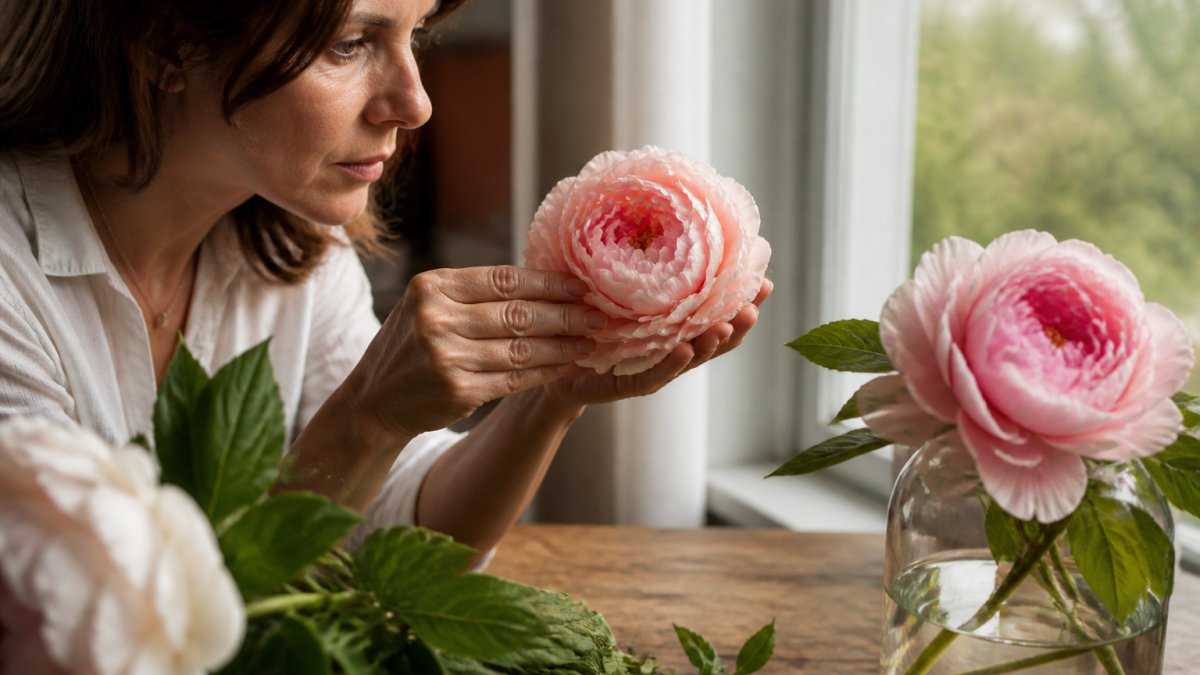
Construction quality shows in the details. On cheap artificial plants, leaves are glued in uniform rows; on expensive ones, they overlap naturally, angle differently, and appear slightly asymmetrical. Stems should feel substantial, not hollow and flimsy.
Check the vase or pot. The Artificial Cream Peony Custom Arrangement in Handcrafted Ceramic Vase features an Isabella vase handcrafted by artisans, with layered glazes transitioning from mossy green to weathered stone.

Texture, Color, and Natural Details
Real plants have imperfections: leaves aren't identical, some have brown edges, and petals show color variation. Expensive artificial plants replicate these details.
Premium faux plants include hand-painted details: peonies with subtle blush tones, eucalyptus with frosted silvery finishes, and succulents with color variety rather than uniform green.
Texture matters as much as color. Soft-touch materials feel more realistic than stiff plastic.
Look for realistic buds and varied bloom stages.
Cheap vs. Expensive Artificial Plants
Durability and Lifespan
Budget artificial plants typically last 1-3 years before showing visible wear: brittle leaves, faded colors, cracked stems. Frequent replacement defeats the purpose of choosing artificial over live plants.
Expensive artificial plants are built to last a decade or longer.
Construction also matters. Better stems use internal wire that holds a bend without kinking, leaves attach with wrapped or molded joints rather than a single glue dot, and potting uses weighted, non-rusting fill.
Fading, Brittleness, and UV Resistance
Sunlight destroys cheap artificial plants. Six months in a bright room dulls the colors and makes leaves brittle and snap-prone, which is why budget artificial plants often end up in dark corners.
Expensive artificial plants handle light better.
Brittleness is critical with pets or children: cheap artificial plants can shed leaves that become choking hazards, while premium versions stay flexible and durable.
A Practical Quality-Assessment Checklist
Before you buy, inspect the plant as you would in person. This checklist works online too, using close-up photos and return policies.
- Leaf texture: Squeeze a leaf. Premium foliage has a soft give and subtle surface variation. Cheap plastic feels slick, stiff, or waxy.
- Color variation: Look for multiple shades on one leaf or petal. Uniform color is a sign of injection molding.
- Vein detail: Real leaves have raised or recessed veins. Printed veins look flat and repeat across every leaf.
- Stem wiring: Bend a stem. It should hold the shape without kinking or snapping back like a spring.
- Leaf attachment: Check the joint. Wrapped or molded joints last. A single glue dot does not.
- Potting weight: A weighted base keeps the arrangement upright. Hollow, lightweight pots tip easily.
- Construction symmetry: Real plants are slightly asymmetrical. Perfect repetition is a giveaway.
- Material disclosure: If the seller will not name the material, assume the cheapest option.
Material-Specific Performance and Safety
Performance varies by product, but trade-offs are consistent:
- Polyester and silk blends: Best realism and drape. Moderate UV resistance. Clean with a soft cloth.
- Polyethylene (PE): Good for outdoor and high-touch areas. More UV-resistant but less realistic.
- PVC: Cheap and stiff. Poor UV resistance. Can become brittle and discolor.
- Fabric-backed leaves: Realistic but prone to dust absorption and fraying.
Fire safety is a separate concern. Many artificial plants are not fire-rated, and some plastics melt or release fumes. If the plant sits near a fireplace, heater, or commercial space, ask the seller for material and fire-safety information rather than assuming it is flame-resistant.
Outdoor Suitability and Care
Not all expensive artificial plants are outdoor-rated. Indoor-only plants fade and crack under direct sun and rain. Outdoor-rated plants use UV-stabilized materials and drainage-friendly potting.
If you plan to use a plant outdoors:
- Confirm the product is labeled for outdoor use.
- Place it in a covered area to extend life.
- Bring it inside during extreme heat, freezing, or heavy storms.
- Clean more often, since outdoor dust and pollen accumulate faster.
- Store seasonally if the plant is not rated for year-round exposure.
Even UV-resistant materials benefit from protection; a covered patio is kinder than full afternoon sun.
Best Artificial Plant Brands and Quality Standards
When evaluating expensive artificial plants worth it, look for brands that prioritize realism, durability, and craftsmanship.
Spotteddonkey specializes in hyper-realistic faux plants and floral arrangements designed for elegance and longevity.
Our Faux Snake Plant, Potted, Black, 30 inches delivers realistic architectural beauty with detailed coloring and flexible foliage, adding height and presence without watering, pruning, or sunlight.
Artificial Cream Peony Custom Arrangement in Handcrafted Ceramic Vase, 5 Stems →

Quality standards separate premium from budget. Look for detailed product photography, customer reviews with real-home photos, and clear material descriptions. Avoid companies that won't specify materials.
How to Clean Artificial Plants and Maintain Their Appearance
Maintenance is one of the biggest advantages of expensive artificial plants worth it.
Dust accumulates on leaves and flowers.
For stubborn dust, use a soft-bristled brush or old toothbrush, working gently to avoid bending stems.
For ceramic vases, wipe the exterior with a damp cloth.
Never use compressed air or high-pressure water, which can damage delicate petals and leaves.
The time investment is minimal: five minutes every few months versus watering, pruning, fertilizing, and repotting live plants multiple times weekly.
Total Cost of Ownership: Premium Plants vs. Live Plants Over Time
When evaluating whether expensive artificial plants are worth it, calculate total cost over time, not just the sticker price. A total-cost-of-ownership view includes purchase, replacement, care supplies, water, and your time.
A Simple Framework
Use this structure to compare any plant, real or faux:
- Purchase price, one-time for artificial, recurring for live.
- Replacement frequency, how often the plant must be replaced.
- Care supplies, soil, fertilizer, pots, pest control, plant food.
- Water, negligible per plant, but real across a collection.
- Time, watering, pruning, repotting, cleaning up dropped leaves.
- End-of-life, disposal or replacement cost.
Illustrative Comparison
A premium faux arrangement costs more upfront.
Now consider what you are replacing. A live peony costs roughly $15-30 but lasts one season in most climates, plus $20-40 per year in soil, fertilizer, and pots.
Live plants in low-light spaces fail quickly; a dim apartment or office can kill them within weeks.
The real cost advantage of premium faux plants emerges over 5-10 years. One $150 arrangement lasts a decade. One live plant lasts a season.
What the Numbers Do Not Capture
Cost is not the only variable. Consider these trade-offs:
- Time value: If your time is worth even $20 per hour, an hour of plant care per week is over $1,000 per year.
- Consistency: Premium artificial plants maintain appearance throughout their lifespan. Live plants decline, drop leaves, and cycle through seasons.
- Risk: Live plants can die from a missed watering, a pest outbreak, or a vacation. Artificial plants do not.
- Aesthetics: A live plant that is struggling looks worse than a good artificial one. A thriving live plant looks better than almost any faux option.
Environmental and End-of-Life Considerations
Artificial plants are typically plastic-based and may not be curbside recyclable. Their environmental advantage is longevity: a plant lasting ten years has a lower annual impact than one replaced every season. Live plants have their own footprint, water, fertilizer, transport, and replacement.
Neither option is free of trade-offs; the question is which fit your budget, space, and values.
Decision Framework by Buyer and Use Case
Use these questions to decide:
- Light: Do you have bright, consistent natural light? If not, artificial wins.
- Allergies: Do you react to pollen, mold, or dust from soil? Artificial wins.
- Pets: Do you need non-toxic, pet-safe decor? Check material disclosures.
- Travel: Do you leave home for weeks? Artificial wins.
- Plant-care experience: Do you enjoy and succeed at plant care? Live may win.
- Focal point or background: A focal-point plant justifies premium realism. Background decor may not.
At Spotteddonkey, we have helped thousands of customers transform their spaces with arrangements that require zero maintenance while delivering lasting beauty.
Is the Investment Worth It? A Practical Decision Framework
Expensive artificial plants worth it depends on your specific situation. Here's how to decide.
Choose expensive artificial plants if:
- You travel frequently or have a busy schedule that makes plant care difficult
- You have low-light spaces where live plants struggle
- You own pets and need non-toxic, safe decor alternatives
- You want arrangements that maintain consistent appearance for years
- You value realistic, elegant aesthetics and are willing to invest in quality
- You live in harsh climates (intense sun, temperature swings, humidity)
- You've struggled to keep live plants alive despite genuine effort
- You prefer maintenance-free decor that requires only occasional dusting
Consider budget artificial plants if:
- You want to test whether artificial plants fit your aesthetic before investing more
- You need seasonal decor you'll replace annually
- Budget is your primary constraint
- You're okay with replacing plants every 2-3 years
Stick with live plants if:
- You genuinely enjoy plant care and have time for it
- You have ideal growing conditions (bright light, stable temperature, humidity control)
- You prefer the living aspect and don't mind replacing plants seasonally
- You want the air-purifying benefits live plants provide
The decision hinges on your lifestyle, space, and priorities.
If you're ready to invest in faux plants that genuinely look realistic and last for years, explore Spotteddonkey's curated collection. We offer hyper-realistic arrangements in diverse styles, from modern minimalist to rustic farmhouse, all crafted from non-toxic materials safe for pets.
| Arrangement Type | Starting Price | Best For | Key Benefit |
|---|---|---|---|
| Succulent Arrangement | $119.99 | Modern, minimalist spaces | Low-profile, versatile styling |
| Eucalyptus Accent | $45.99 | Contemporary decor | Soft-touch texture, architectural appeal |
| Boston Fern | $88.57 | Statement pieces, covered patios | Large, lifelike presence |
| Peony Arrangement | $149.98 | Romantic, elegant interiors | Handcrafted vase, premium realism |
| Snake Plant | $149.99 | Modern, low-light spaces | Tall, architectural, pet-safe |
Frequently Asked Questions
How can you tell if an artificial plant looks realistic?
Premium faux plants use high-quality materials like silk and soft-touch plastics that mimic natural texture and movement. Look for realistic color variation, detailed leaf veining, and natural-looking buds or imperfections. Check the stems and joints, cheap plants have visible seams or plastic-looking connections. The best artificial plants capture subtle details like color gradation on petals and lifelike leaf arrangement. Spotteddonkey's peony arrangements and eucalyptus stems, for example, feature real-touch materials and hand-detailed coloring that closely resemble fresh plants.
Why are some artificial plants so expensive?
Premium artificial plants cost more due to superior materials, intricate hand-crafted construction, and realistic detailing. High-end faux plants use durable silk blends and UV-resistant pigments that resist fading in sunlight. Handcrafted ceramic vases, precision-engineered stems, and attention to natural color variation add significant labor costs. Budget plants use cheaper plastics that look tacky, fade quickly, and become brittle. The investment in quality materials and craftsmanship ensures your artificial plants maintain their beauty for years, making the higher upfront cost worthwhile for visible spaces like living rooms.
Do expensive artificial plants last longer than cheap ones?
Yes. Premium artificial plants use durable materials engineered to resist UV exposure, temperature fluctuations, and physical wear. Budget faux plants become brittle, discolor, and deteriorate within 1-2 years, especially in sunlight. High-end options maintain their appearance for 5-10+ years with minimal care. Quality construction means stems don't crack, leaves don't shed, and colors stay vibrant. For busy professionals and frequent travelers who need maintenance-free décor, investing in durable artificial plants eliminates the need for costly replacements.
Are artificial plants safe for homes with pets?
Premium artificial plants crafted from non-toxic materials are safe for cats, dogs, and other pets. Spotteddonkey's faux plants use non-toxic materials specifically designed for pet-friendly homes. However, cheap artificial plants may contain harmful dyes or materials that pose a risk if ingested. Always verify that your artificial plants are made from pet-safe materials before placing them where curious pets can access them. Premium brands prioritize safety alongside realism, giving you peace of mind in pet-friendly homes.